
House Construction Cost Philippines 2026: Per SQM & Budget

).jpg)
As of 2026, house construction in the Philippines typically ranges from ₱20,000 to ₱70,000+ per square meter, depending on finish level. Economic (₱20,000–₱35,000/sqm), Standard/Mid-range (₱35,000–₱50,000/sqm), and High-end/Luxury (₱50,000–₱70,000+/sqm). This covers construction only — land, permits, and professional fees are separate.
Building a house is a significant financial commitment, and without careful planning, the expenses can quickly spiral out of control. That's why we have prepared a complete, up-to-date breakdown of what house construction costs in the Philippines in 2026, so you can plan with confidence.
Key Highlights
- Construction cost per sqm in 2026 ranges from ₱20,000–₱35,000 (Economic) to ₱35,000–₱50,000 (Standard) to ₱50,000–₱70,000+ (High-end/Luxury).
- A 100 sqm standard-tier home costs roughly ₱2.5M to ₱4M in construction alone. See the full trade-by-trade breakdown below.
- Two-storey homes are often more cost-efficient per sqm than single-storey homes of the same floor area, since the foundation and roof cost is spread over more usable space.
- Per-sqm rates cover construction only - budget separately for land, permits (₱30,000–₱100,000+), and architect/engineer fees (6%–15% of construction cost).
- Skilled labor in the Philippines runs about ₱500–₱800 per worker per day, and shortages can extend timelines and raise costs.
- Location matters - provincial builds can run 15–25% cheaper on labor than Metro Manila, Cebu, or Davao, though remote sites may add material transport costs.
- Build in a 10% contingency fund - soil condition, material price shifts, and design changes are the most commonly underestimated cost factors.
Updated 2026 Cost Per Square Meter: At a Glance
These figures cover the construction cost only — the structure, materials, and labor. Land acquisition, permits, architect and engineer fees, and furnishings are budgeted separately (more on that below).
House Construction Project Types with Costs
The cost of building a residential home in the Philippines varies widely depending on the type of house project. Understanding these costs helps you plan and budget effectively before you talk to a home contractor.
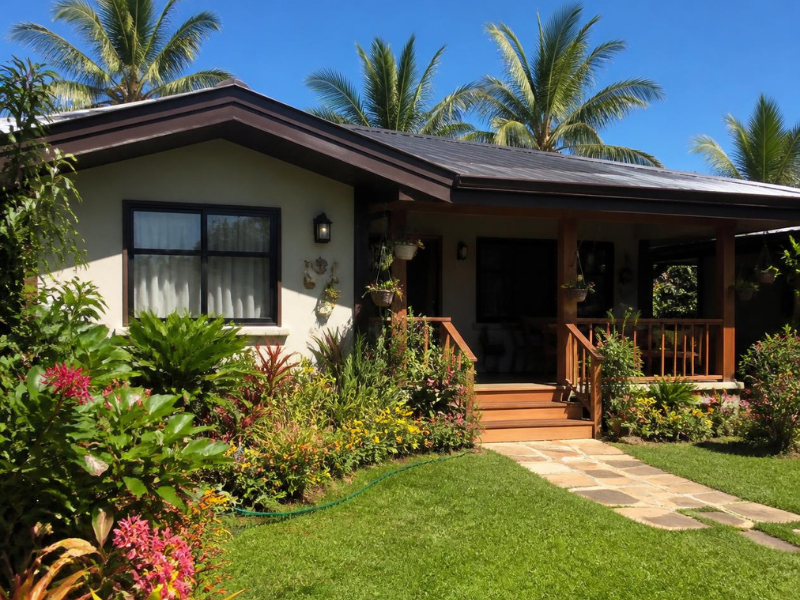
Low-cost Housing Projects (₱20,000 to ₱35,000/sq. m.)
These projects focus on affordability and functionality — ideal for first-time homeowners, rental units, or provincial builds with smaller budgets. Expect standard hollow-block construction, corrugated roofing, and basic finishes.
Mid-range Residential Projects (₱35,000 to ₱50,000/sq. m.)
This is the "sweet spot" for most Filipino families. Mid-range projects strike a balance between affordability and quality, with upgraded finishes, branded fixtures, and more amenities than the economic tier.
High-end Luxury Homes (₱50,000 and above/sq. m.)
High-end luxury homes prioritize premium materials, advanced features like smart home integration, and fully custom designs. Costs can exceed ₱70,000/sqm depending on the level of customization.
Home Renovations and Extensions (₱25,000 to ₱40,000/sq. m.)
Renovations and extensions update or expand existing structures, from minor fixes to major structural changes. Costs vary depending on whether you're updating finishes only or altering the structure itself.
Custom-Built Homes Types and Their Cost Considerations
Custom-built homes are uniquely designed to match your specific preferences and needs that reflect your lifestyle. Each type below can be built at a low-cost, mid-range, or high-end budget — the type of home affects layout and efficiency more than it dictates a fixed price.
Single-storey or Bungalow
A single-storey house, or bungalow, often features an open floor plan, combining living, dining, and kitchen areas. These homes are ideal for small families or individuals who want simplicity and accessibility, and they're typically the most straightforward and cost-efficient per sqm to build, since there's no second-floor structure or staircase to add.
Two-Storey House Construction Cost
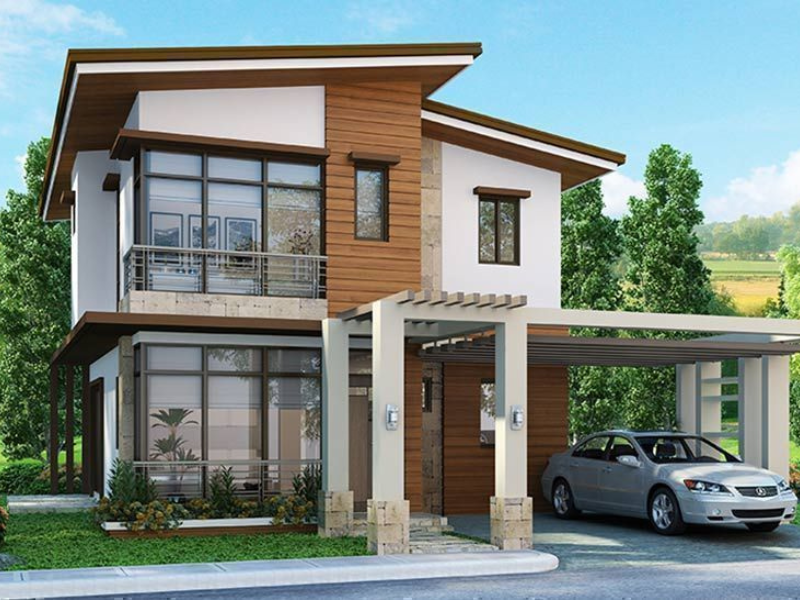
Two-storey homes provide separate spaces for living areas and bedrooms, offering more privacy and room for larger families. These homes maximize vertical space, making them ideal for smaller lots. Because a two-storey home spreads the same roof and foundation footprint over more total floor area, it's often more cost-efficient per square meter than a single-storey home of the same total floor area — even though the overall project cost is higher due to added structural requirements (staircase, thicker foundations, additional columns and beams to support the second floor).
As a rough guide, using the 2026 per-sqm tiers above:
- A 60 sqm two-storey home (Standard tier, ₱25,000–₱40,000/sqm) runs roughly ₱1.5M to ₱2.4M
- A 100 sqm two-storey home (Standard tier) runs roughly ₱2.5M to ₱4M
- A 150 sqm two-storey home (Standard tier) runs roughly ₱3.75M to ₱6M
Bamboo House
A bamboo house typically incorporates an open layout with lightweight bamboo walls and roofing. Known for their versatility and eco-friendliness, bamboo houses are sustainable and blend well with natural surroundings, often at a lower cost than concrete construction.
Tiny House / Shipping Container House
Tiny houses or container homes are compact, efficient, and built from durable materials like steel. They're popular for their cost-effectiveness and smaller environmental footprint.
Sample Budget: 100 SQM Standard House (2026)
To make the per-sqm rate more concrete, here's how a typical 100 sqm, standard-tier home budget breaks down by construction component:
This reflects construction cost only. Land, permits, professional fees, and site development are budgeted on top of this — see below.
Key Factors Influencing Building Costs

Understanding what drives construction costs helps you manage expectations and avoid unexpected expenses.
Location and Accessibility
Land prices and labor rates vary widely across the Philippines. Urban areas like Metro Manila, Cebu, and Davao command higher costs, while provincial areas can be 15–25% cheaper on labor. However, remote sites can add transportation costs for materials, which may offset some of that savings.
Size and Design
The larger and more intricate your house, the more materials and labor it needs. Bigger homes require more foundation work, walls, and roofing, while unconventional shapes or features often need specialized materials and skilled labor both of which raise costs.
Type of Materials and Finishes
The type of materials and finishes you choose greatly affects the overall building costs. Higher-quality materials typically come with a higher price tag. For example, luxury finishes like high-end appliances, custom cabinetry, imported tiles, hardwood flooring, and granite countertops can significantly increase costs
Material prices also fluctuate based on market demand and availability. Eco-friendly materials, while often more expensive upfront, may help reduce long-term energy costs. Always consider your budget and priorities when choosing materials.
Number of Floors
Generally, the more floors your house has, the more expensive it will be. This is because adding extra floors increases the need for more materials, such as concrete, steel, and wood. Additionally, the foundation and structure must be strong enough to support the added weight, which can increase overall construction expenses.
Number of Bathrooms
Bathrooms are a significant cost driver due to plumbing, fixtures, tiling, and ventilation work. Each additional bathroom adds labor and material costs, especially if you're aiming for higher-end finishes.
What to Know Before You Build a Home

Before you start building your dream house, knowing what to expect and being prepared will make the journey smoother and less stressful. Let’s walk through the essential things you’ll need to consider before getting started.
Land Preparation and Acquisition Costs
- Soil exploration or soil bore test determines the soil's stability and whether it can support your house's foundation. Essential to avoid problems later.
- Lot survey ensures your property boundaries are properly marked, avoiding disputes over ownership and construction setbacks.
- Handling and notarial fees typically range from ₱2,000 to ₱5,000, while notarial fees per document range from ₱100 to ₱500.
- Notarial fee for Deed of Absolute Sale is typically 1% to 1.5% of the property's selling price, with a minimum of around ₱1,000.
- Mortgage registration fee depends on your property's appraised value; check current rates with your local Registry of Deeds.
Required Documents and Permits
Secure these early to avoid delays. An architect or lawyer can help guide you through the paperwork:
- Building Permit
- Land of Ownership Documents
- Land titles
- Deed of sale
- Tax declaration
- Latest tax receipts
- Environmental clearance
- Barangay Clearance
- Affidavit of consent from the owner or contract of sale (if you are not the owner of the land)
- Special Power of Attorney (if you do not currently live in the Philippines)
Insurance
While not always required, construction insurance offers peace of mind by covering risks like accidents, natural disasters, or material damage, helping protect your investment from unexpected setbacks.
Professional Fees
- Architect and engineer fees are typically 6% to 15% of total construction cost, depending on project size and complexity. This covers design, blueprints, and structural engineering.
- Labor costs from skilled construction labor in the Philippines generally ranges from ₱500 to ₱800 per day per worker, depending on trade and experience. Labor shortages can extend timelines and raise costs.
Post-Construction Taxes and Charges
After building your home, several taxes and fees must be settled to ensure the legal transition of ownership and compliance with local regulations.
- Local transfer tax is required when transferring property ownership; rate varies by city or municipality.
- Documentary stamp tax is applied to legal documents like the deed of absolute sale.
- Real property tax is an annual tax paid to your city or municipal treasurer's office.
How to Stay Within the Construction Budget

- Plan your budget including contingency funds. Start by setting a realistic budget for your house project. Be sure to include contingency funds, ideally 10% of your budget, to help avoid financial strain and ensure you’re prepared for any surprises during construction.
- Prioritize needs over wants. When planning your home, optimize your space wisely. Choose materials that offer long-term value and functionality. This ensures the design serves you well while keeping your budget in check.
- Consult professional architects. Here at Pencil Design Studio, we can suggest cost-effective materials, efficient methods, and potential savings. Curious what an architect actually does for your project? Read our guide on the role of a residential architect. Always get multiple quotes from contractors and compare scope, not just price. It’s also wise to get multiple quotes from contractors and subcontractors.
- Sourcing cost-effective and eco-friendly materials. Researching and comparing material costs can help you save money. Consider sourcing eco-friendly materials that are both cost-effective and sustainable, such as energy-efficient appliances.
- Manage expenses and timelines. Regularly check the progress of your project to ensure it stays on schedule. Identifying potential issues early can help avoid costly delays and keep your financial plans intact throughout the construction process.
Ready to Build Your Home 2026?
Building a home is one of the biggest investments you'll ever make. While it's helpful to understand the factors that affect house construction costs in the Philippines, every home is different. Working with experienced architects and construction professionals ensures your budget, design, and priorities stay aligned from concept to completion.
When you're ready to build a home that's designed around the way you live, Pencil Design Studio is here to help. Explore our portfolio to see how we've helped Filipino families create homes that are thoughtful, timeless, and built around the way they live.
Frequently Asked Questions (FAQs)
More Great Resources For You

More Great Resources For You
Let’s build your dream home now, shall we?
We guarantee you that we won’t rest until your dream home has come to life.
