
Architect vs. Contractor: Who Do You Actually Need for Your Home Project?


An architect designs your home, prepares plans, coordinates permits, and protects your interests throughout the project. A contractor builds those plans by managing labor, materials, and on-site construction. For most new homes and major renovations in the Philippines, you'll need both—starting with the architect before construction begins.
Key Takeaways
- Architects design and plan; contractors build and execute.
- Start with an architect for new homes and major renovations.
- Contractors manage labor, materials, and site operations.
- Design-build firms combine both roles under one team.
- Skipping design is one of the biggest causes of costly rework.
Why People Confuse Architects and Contractors
Most homeowners aren't actually asking, "What's the difference?"
They're asking:
"Who do I call first?"
That's where expensive mistakes happen.
Many people hire whichever professional is available first—often a contractor recommended by a friend—before the design is fully thought through. The result can be redesigns during construction, permit delays, unexpected costs, and compromises that become permanent.
The easiest way to think about it is this:
- Architect = plans the home
- Contractor = builds the home
What Does an Architect Actually Do?
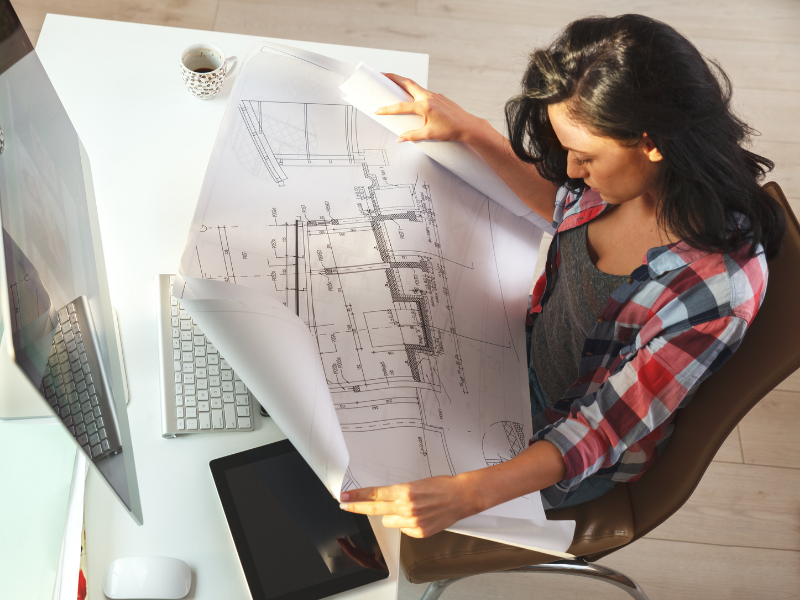
An architect does far more than draw floor plans.
They help shape how your home functions, ensure it complies with building regulations, coordinate technical consultants, and create a design that's practical to build.
An architect's responsibilities
- Designs your home's layout and appearance
- Plans how spaces work together
- Prepares construction drawings
- Coordinates structural and engineering consultants
- Assists with building permits
- Ensures compliance with the National Building Code
- Reviews construction quality during implementation (when engaged for construction administration)
The architect works for your interests
One important distinction is that an architect's job is to represent the homeowner's vision and long-term interests not simply what's quickest or easiest to build.
For example, they may recommend:
- better natural lighting,
- improved ventilation,
- more efficient room layouts,
- or materials that reduce maintenance over time.
What Does a Contractor Actually Do?
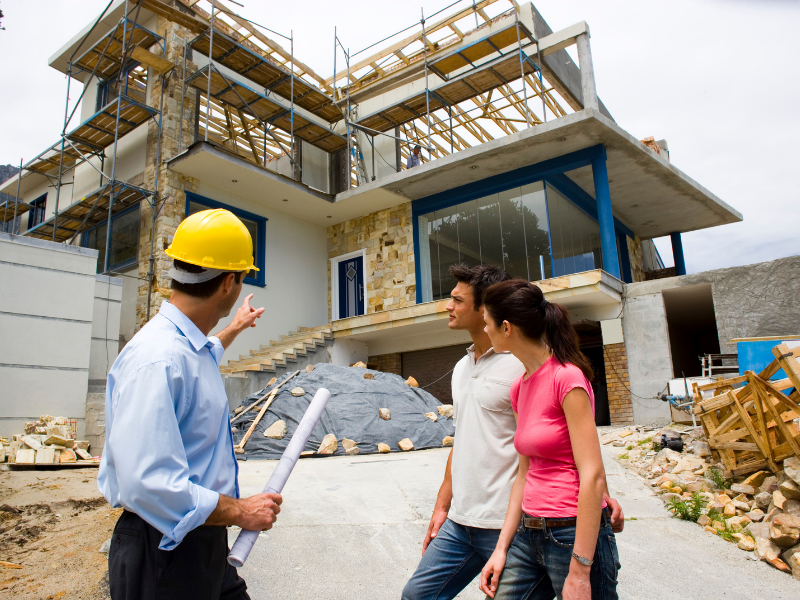
Once the plans are ready, the contractor turns them into reality.
A contractor manages the people, materials, equipment, and day-to-day construction needed to build the project.
A contractor's responsibilities
- Hires and supervises workers
- Orders construction materials
- Manages site logistics
- Coordinates subcontractors
- Follows construction drawings
- Keeps work moving according to schedule
- Addresses on-site construction issues
A good contractor helps deliver the project efficiently but they typically build according to an approved design rather than creating it from scratch.
Architect vs. Contractor: Side-by-Side Comparison
Do You Need Both an Architect and a Contractor?
The answer depends on the type of home project you're planning.
Scenario 1: Building a New House
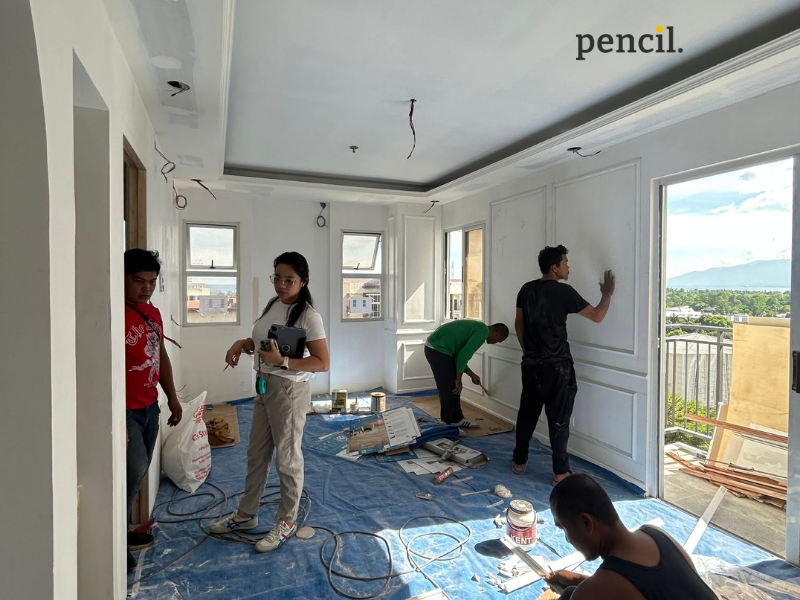
You need: Architect first, then contractor.
This is the clearest case.
Your architect develops the design, prepares permit drawings, coordinates technical requirements, and helps create a buildable plan before construction begins.
The contractor then builds that approved design.
Verdict: Both.
Scenario 2: Major Home Renovation
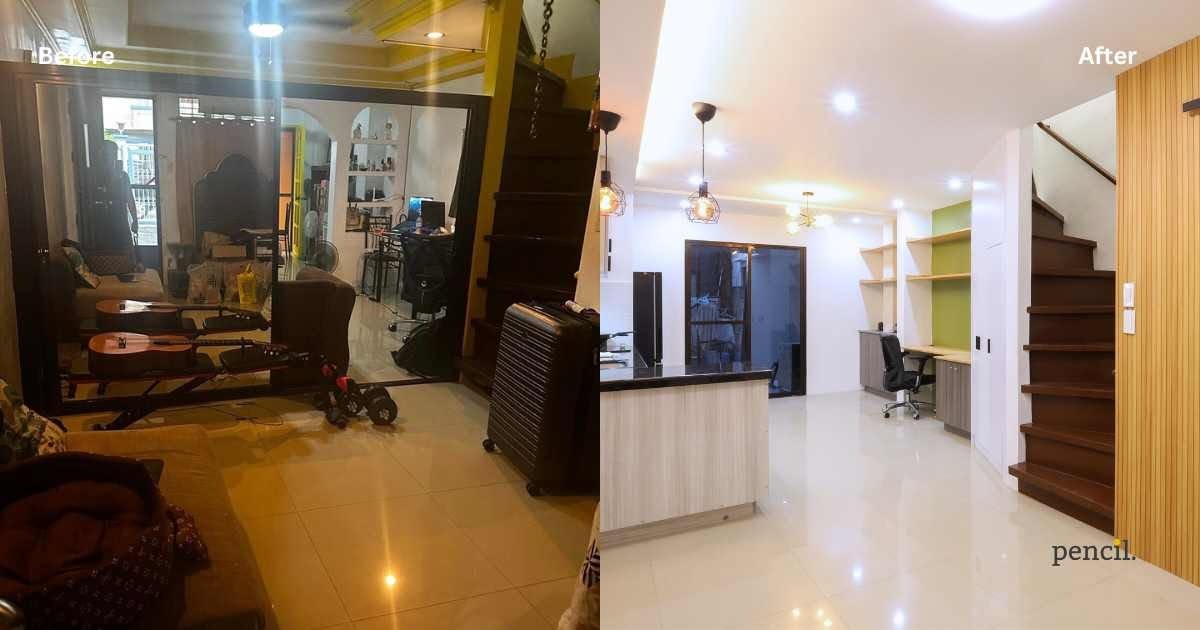
Examples include:
- removing walls,
- adding a second floor,
- expanding kitchens,
- changing structural elements.
These projects often affect permits, structural integrity, and building systems.
Verdict: Both.
Scenario 3: Small Interior Renovation or Condo Fit-Out

Examples include:
- built-in cabinetry,
- flooring replacement,
- repainting,
- cosmetic improvements.
Some smaller projects may be handled by a qualified contractor, while others benefit from a design-build team that combines planning and construction under one roof.
Verdict: Contractor or design-build, depending on scope.
Scenario 4: Structural Repairs
If your home has suffered structural damage from:
- earthquakes,
- foundation movement,
- or major deterioration,
professional design input becomes essential before repairs begin.
Verdict: Architect-led planning with contractor execution.
Decision Tree: Who Should You Call First?
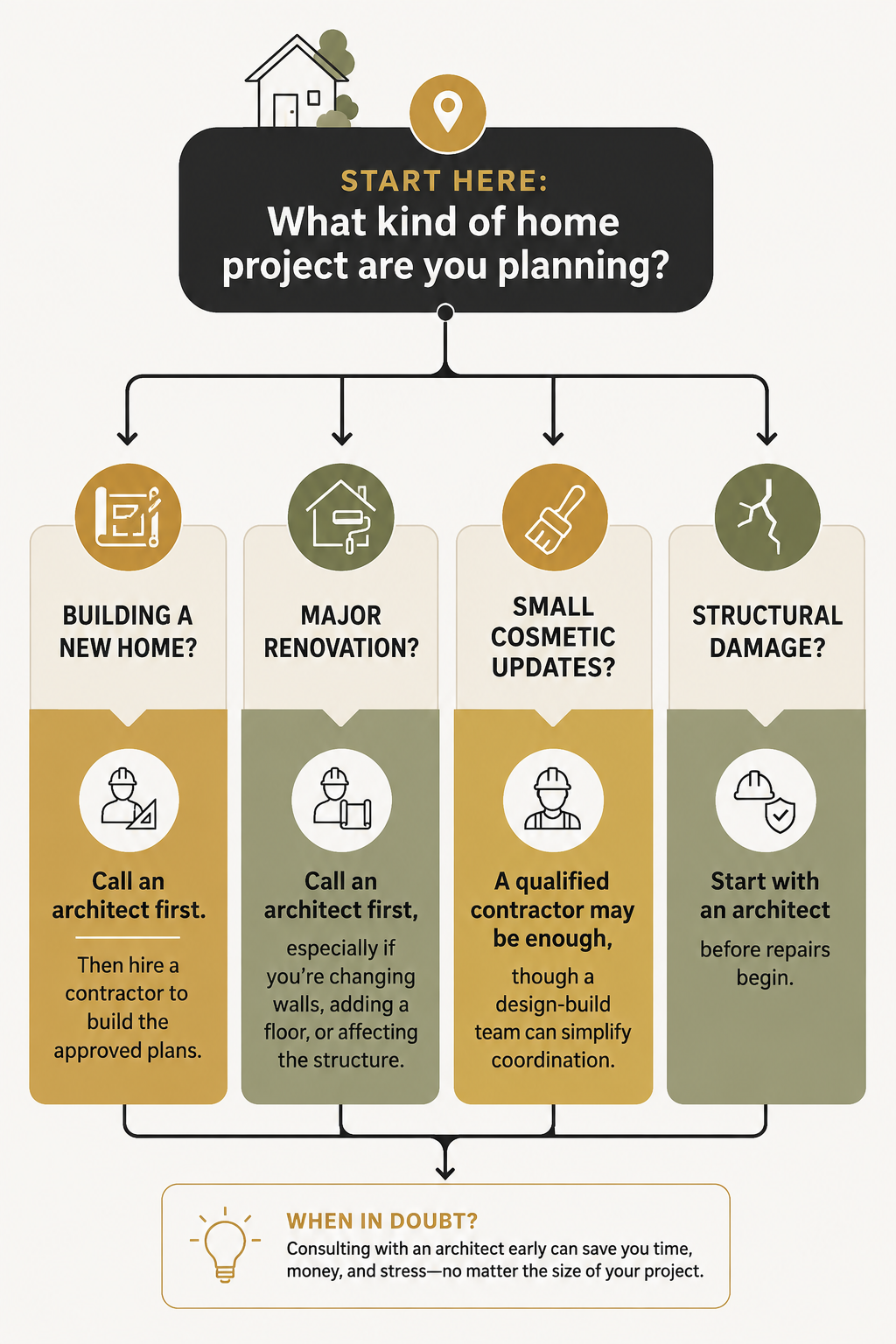
Building a new home? Call an architect first. Then hire a contractor to build the approved plans.
Major renovation? Call an architect first, especially if you're changing walls, adding a floor, or affecting the structure.
Small cosmetic updates? A qualified contractor may be enough, though a design-build team can simplify coordination.
Structural damage? Start with an architect before repairs begin.
The Hybrid Option: Design-Build Firms
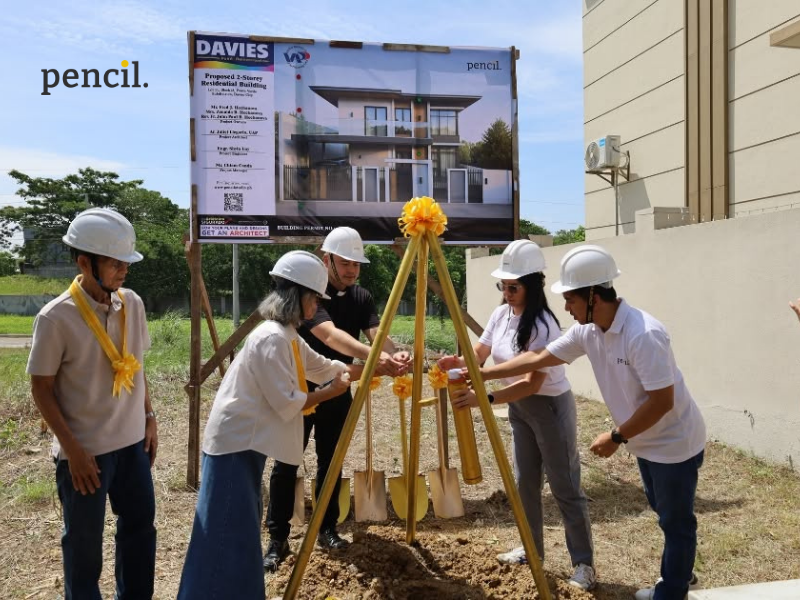
Many homeowners want to avoid coordinating multiple professionals.
That's where design-build firms come in.
Instead of hiring an architect and contractor separately, a design-build firm combines both services under one team.
Advantages of design-build
- One contract
- One point of accountability
- Better communication
- Earlier cost alignment
- Fewer coordination gaps
For residential projects in places like Davao City, this approach can simplify the process by keeping design decisions and construction planning closely connected from the beginning.
Common Mistakes Homeowners Make
These mistakes often don't seem serious at first but they're the ones that can lead to budget overruns, delays, and unnecessary stress later in the project.
1. Hiring a contractor before finalizing the design
Changes made during construction are almost always more expensive than changes made on paper. Moving a window, changing a room layout, or relocating plumbing after work has begun can affect multiple trades, turning a small change into a much bigger expense.
2. Assuming an engineer and architect have the same role
Engineers and architects work together—but they serve different purposes.
An architect shapes how the home looks, feels, and functions as a whole, while engineers make sure specific systems—like the structure, electrical, and plumbing—perform safely and efficiently. Treating one role as a substitute for the other can leave important gaps in planning.
3. Starting without a written scope
Verbal agreements can quickly create misunderstandings once construction is underway.
Everyone should clearly understand:
- what's included,
- who's responsible,
- timelines,
- and approval processes.
4. Choosing based only on the lowest price
A significantly lower quote isn't always a better deal.
Some estimates leave out important items, use lower-grade materials, or rely on allowances that increase later. Instead of comparing the total price alone, compare what each proposal actually includes so you're making a like-for-like decision.
How This Works in the Philippines
While the architect-versus-contractor distinction exists everywhere, there are a few Philippine-specific considerations worth knowing.
- Architects are licensed through the Professional Regulation Commission (PRC) under the Architecture Act.
- Contractors performing construction work are generally expected to meet the appropriate licensing requirements, including PCAB registration where applicable.
- Most new homes require approved plans and permits before construction can legally begin.
For example, if you're building in cities like Davao City, local permitting requirements, subdivision rules, and site conditions can also influence how early professional planning pays off.
Ready to Plan Your Home the Right Way?
If there's one takeaway from this guide, it's this: choosing between an architect vs contractor isn't really about picking one over the other. It's about involving the right professional at the right stage of your home project.
For homeowners planning a new home, major renovation, or condo fit-out, having design and construction aligned from day one can make the entire journey more predictable and less stressful.
At Pencil Design Studio, we bring those two roles together through a residential-focused design-build approach, giving you one team that's accountable from the first sketch to the finished home.
Start your design journey today and let's create a home built around your life—and built to last. Contact us for consultation!
Frequently Asked Questions (FAQs)
More Great Resources For You

More Great Resources For You
Let’s build your dream home now, shall we?
We guarantee you that we won’t rest until your dream home has come to life.
